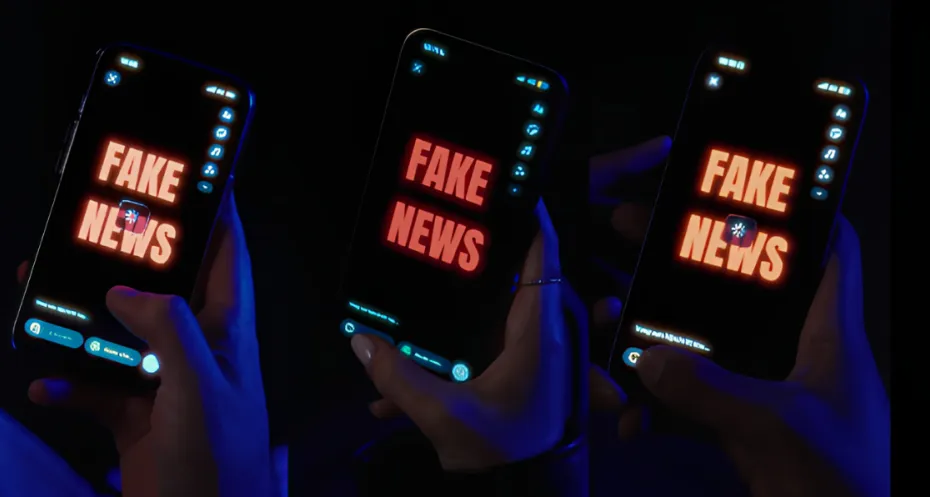
Don't let today's fake news become tomorrow's reality
From fabricated stories and manipulated images to deliberate propaganda. Fake news shapes how we see the world. But who is behind it? Why do governments and other powerful actors deliberately spread misleading information? And what does this mean for independent journalism?
[VIDEO 1: CENTRALE CAMPAGNEVIDEO]
Fake news is no coincidence
We use the term fake news because it is widely recognised. The broader term for the deliberate spread of false or misleading information to influence people is disinformation. Disinformation goes beyond fabricated stories. It includes distorted facts, manipulated images, false accusations and stories that deliberately leave out important information. The aim is to mislead people, influence public opinion or undermine trust in independent journalism.
Who benefits from what you believe?
Disinformation does not always spread by accident. Governments and other powerful actors deliberately use misleading information to serve their own interests.
For example, they seek to:
- Influence public opinion.
- Discredit opponents and critical journalists.
- Build support for their own policies or actions.
- Fuel distrust and division in society.
Social media play an important role in spreading disinformation. But traditional media can also amplify it when they repeat accusations or unverified information without properly checking the facts.
When facts disappear, our view of reality changes
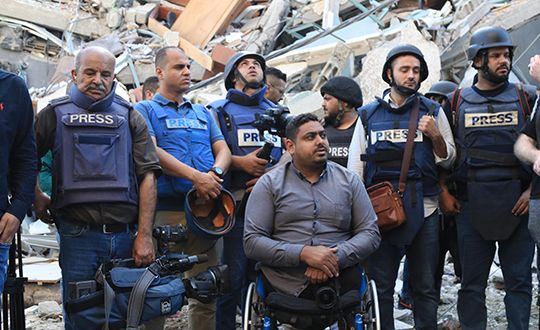
Disinformation affects how people understand events and form opinions. When misleading stories spread, it becomes harder to distinguish facts from fiction. Journalists are directly affected too. Those who scrutinise powerful actors or expose misleading stories risk becoming targets of intimidation, threats and smear campaigns. This affects access to reliable information. When journalists are unable to work freely, important stories go untold.
Think before you believe or share
Not everything you read or see online is true. And not every source is equally reliable. By looking critically at information, you help prevent misleading stories from spreading further. Ask yourself the right questions before believing or sharing a post.
Article: 8 questions to ask before believing or sharing news about conflicts
Journalists keep searching for the facts
Independent journalists verify information, investigate those in power and bring stories to light that would otherwise remain hidden. Their work is essential, especially when governments and other powerful actors manipulate information. Journalists give people access to different perspectives and reliable information, allowing them to form their own opinions.
Free Press Unlimited supports journalists and independent media worldwide. We work towards a world where everyone has access to reliable information and journalists are free to do their work.
Find out more
Support independent journalism
Fake news keeps spreading. Independent journalists continue to investigate the facts and hold those in power to account. They are the answer to fake news. Help journalists counter fake news.