Sudan
Sudan’s press freedom has been under attack since the military coup in 2021. The eruption of the war in 2023 between the regular army (SAF) and the paramilitary group (RSF) has only worsened the control on information. Yet the events in Sudan are gravely under reported. Currently, the country ranks 161 out of 180 on the RSF Press Freedom Index.
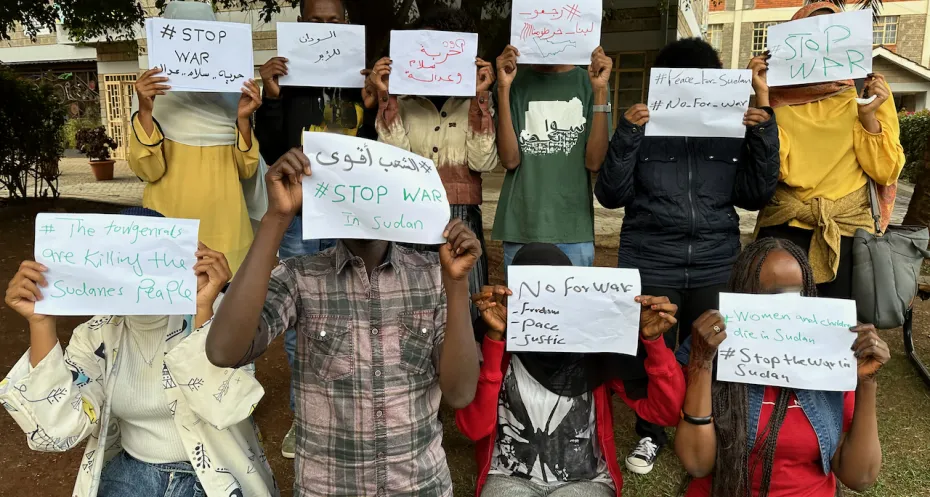
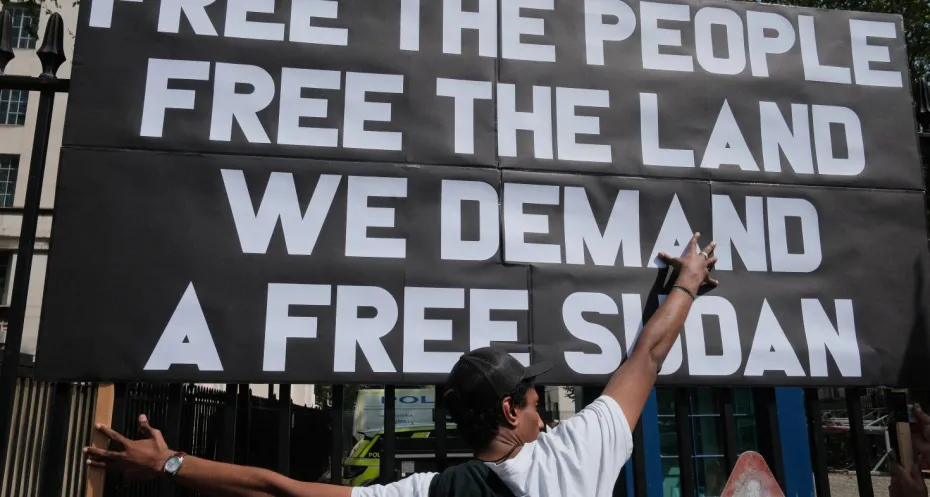
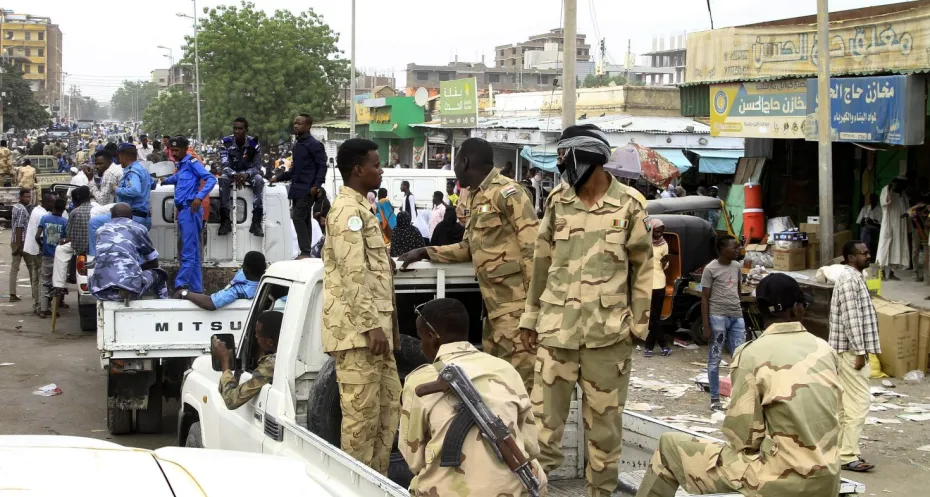
Since 2023, Sudan has been devastated by an active conflict between the Sudanese Armed Forces (SAF) and the Rapid Support Forces (RSF). And, in the years since the war erupted, the warring parties have committed widespread violations of International Humanitarian Law, leading Sudan into the worst humanitarian crisis in the world.
Sudan is now facing a ruined infrastructure, a collapsing healthcare system, and indiscriminate violence towards civilian areas, including heightened gender based violence and conflict related sexual violence. As a result, almost 9 million people are internally displaced and over 20 million in grave danger of acute food insecurity and grave health conditions. Women, children, and older people, especially pertaining to ethnic minorities have been disproportionately impacted by these conditions.
An under-reported crisis
Although Sudan is facing the worst humanitarian crisis in the world, the war in Sudan remains under-reported. There are multiple reasons for this lack of coverage, but a significant one is the harsh circumstances for journalists within the country. A situation that the eruption of the war has only exacerbated.
Violence against journalists
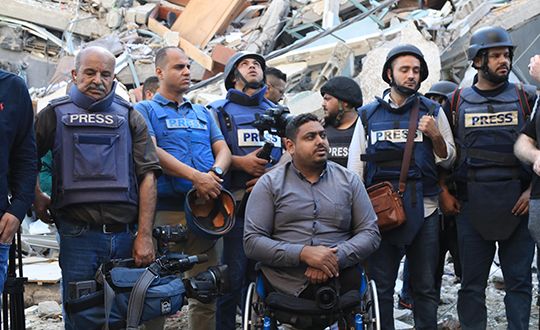
As the war continues and violence persists, Sudanese Journalists are being forced to flee the country, and the ones remaining are being arrested, intimidated or forcibly disappeared. They operate within a highly dangerous and violent context, and their work is hindered by destroyed media infrastructure, constant internet and radio network disruptions, and contextual constraints such as displacements.
The result is a vacuum in which disinformation and propaganda thrive, with devastating consequences. Both warring parties are participating in a violent information war, where they are constantly pushing coordinated media campaigns designed to deceive and manipulate both domestic and international audiences. In this context, only a small number of independent media outlets and journalists are operating and contrasting these orchestrated disinformation efforts. And when they do, they are targets of hate speech and manipulation. In several regions, electricity supplies are deliberately cut and internet access shut down, making it virtually impossible for independent outlets to operate or for citizens to access trustworthy news.
Our work in Sudan
It is for these reasons that Free Press Unlimited has been operating in Sudan for over a decade. Our efforts have started with hosting and supporting Radio Dabanga in Amsterdam, which is one of the few independent news and information broadcasters in Sudan, providing lifesaving news and information to citizens. Dabanga's programming is aimed at informing people about democracy, providing space for informed debate and holding those in power accountable. Dabanga produces daily news and talk shows on politics, human rights, health, gender, youth, transitional justice and civil society. Since 2021, Radio Dabanga has become fully independent.
Since the re-emergence of conflict, Free Press Unlimited has renewed its commitment by supporting promising initiatives that bring hope, such as the Sudan Media Forum. An umbrella organisation brings together diverse independent Sudanese media organisations to join forces against disinformation. These efforts are also carried side to side with our continued effort to support journalists in emergency situations through our Reporters Respond programme.
Figures below as of July 2026